Doors Built to Last Through Midwest Winters
Garage door installation in Otsego for homes needing updated curb appeal and better insulation against seasonal temperature swings
A new garage door changes how your home looks from the street and how well it holds temperature during Michigan winters. D & D Garage Door LLC installs residential garage doors with attention to proper sealing, insulated panel options, and hardware rated for freeze-thaw cycles. You're working with technicians who remove old systems completely, prep the opening, and configure tracks and springs for balanced operation from the first use.
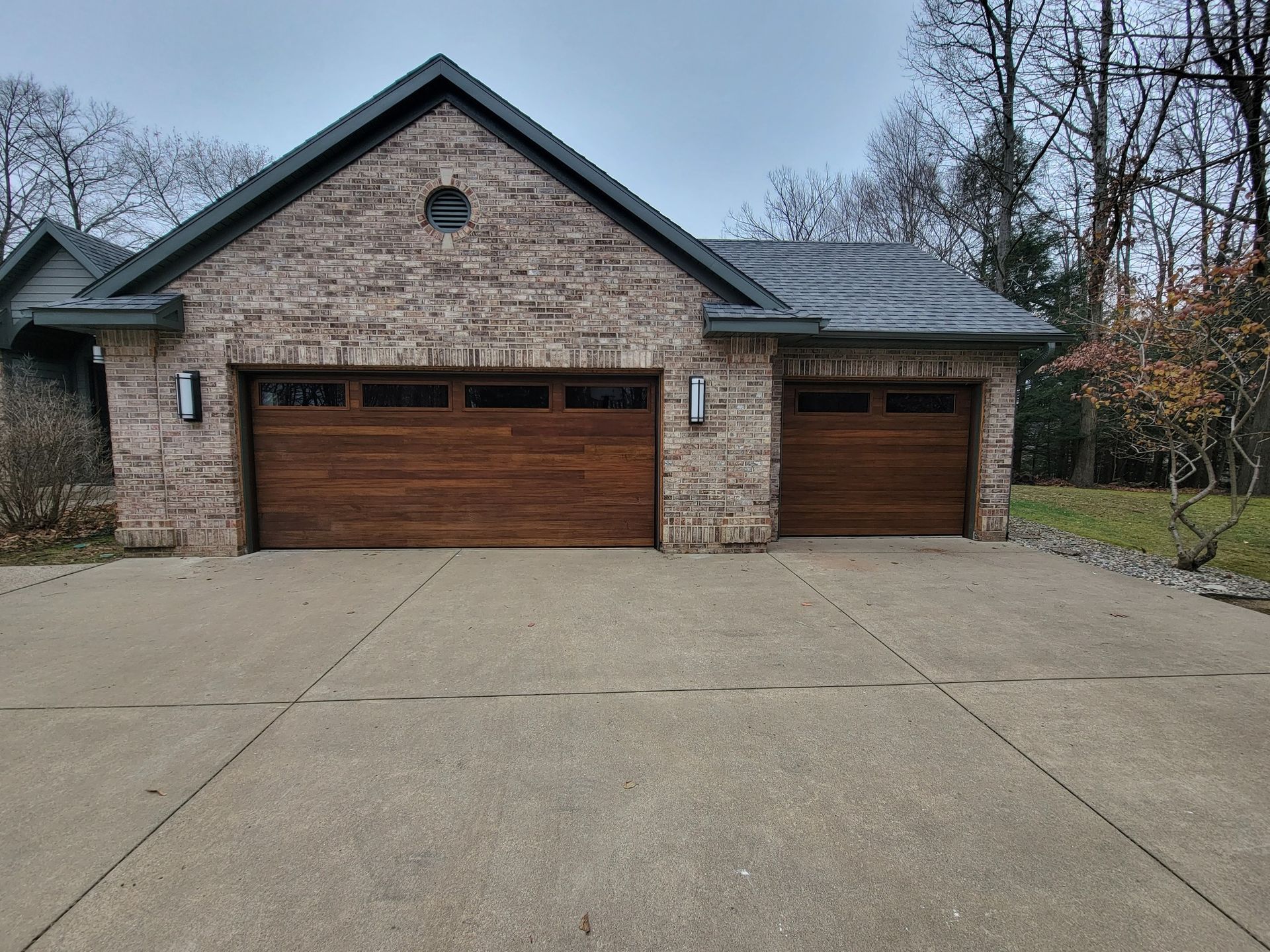
The installation process addresses both appearance and function—doors are available in materials ranging from steel with woodgrain embossing to composite panels that resist denting, and insulation values matter when your garage shares a wall with living space or houses a workshop. Michigan weather means doors face snow buildup along bottom seals, ice formation in track channels, and expansion-contraction cycles that test panel joints and hinge points.
Schedule an on-site consultation to review door styles, insulation ratings, and opener compatibility for your property.
What Proper Installation Prevents Long-Term
Correct installation means the door sits level in the opening, springs are calibrated to the door's weight, and weatherstripping compresses evenly across the threshold. Tracks mount plumb so rollers don't bind during travel, and header brackets anchor into framing rather than drywall alone. These details determine whether the door operates quietly and whether seals actually block wind-driven rain.
After installation, you'll notice the door closes flush against the floor without gaps at the corners, opens without jerking or hesitation, and stays in place when released at mid-height. Insulated doors reduce the temperature drop you feel when entering the garage from the house during winter months, and properly tensioned springs mean the door doesn't slam shut or require excessive force to lift manually.
The installation includes removal and disposal of the old door, installation of new tracks and hardware, spring adjustment, and safety sensor alignment. If your opener is outdated or incompatible with the new door's weight, that gets addressed during the same visit to avoid callback issues.
Questions Property Owners Typically Ask
Homeowners in Otsego often want to know specifics about timing, materials, and what changes after a new door goes in.
What insulation rating makes sense for an attached garage in Michigan?
Doors with R-values between 12 and 18 reduce heat loss through the garage envelope and keep the space usable during winter without excessive heating cost.
How does installation handle the old door and springs?
The existing door comes down in sections, springs release under controlled tension using winding bars, and all old hardware leaves the site unless you request specific pieces for reuse.
What distinguishes a steel door from a composite panel option?
Steel doors dent under impact but cost less and accept paint, while composite panels resist denting and moisture absorption but limit color changes after purchase.
When should weatherstripping get replaced after installation?
Bottom seals wear from concrete contact and typically need replacement every five to seven years depending on door cycle frequency and whether the floor has surface irregularities.
Why does the door need to balance properly before the opener connects?
An unbalanced door overworks the opener motor and causes premature gear failure, so spring tension gets dialed in first to ensure the door floats at mid-height without motor assistance.
D & D Garage Door LLC handles installation projects throughout Otsego with clear guidance on door selection and setup designed for long-term performance. Contact the team to discuss your property's specific requirements and receive a detailed estimate based on door type and opening dimensions.