
Addressing High-Tension Component Failure Safely
Garage Door Springs Repairs in Otsego for doors that won't lift, close too quickly, or show visible spring damage
Garage door springs counterbalance the door's weight, allowing the opener to lift hundreds of pounds with minimal effort and enabling manual operation when power is unavailable. When a spring breaks, the door becomes dangerously heavy—difficult or impossible to lift manually, and capable of slamming shut with enough force to cause injury or property damage. The sound of a breaking spring often resembles a firecracker or gunshot, followed by the door refusing to open or sagging to one side. D & D Garage Door LLC provides garage door spring repair and replacement in Otsego for systems experiencing worn or broken springs, restoring safe operation and proper door balance.
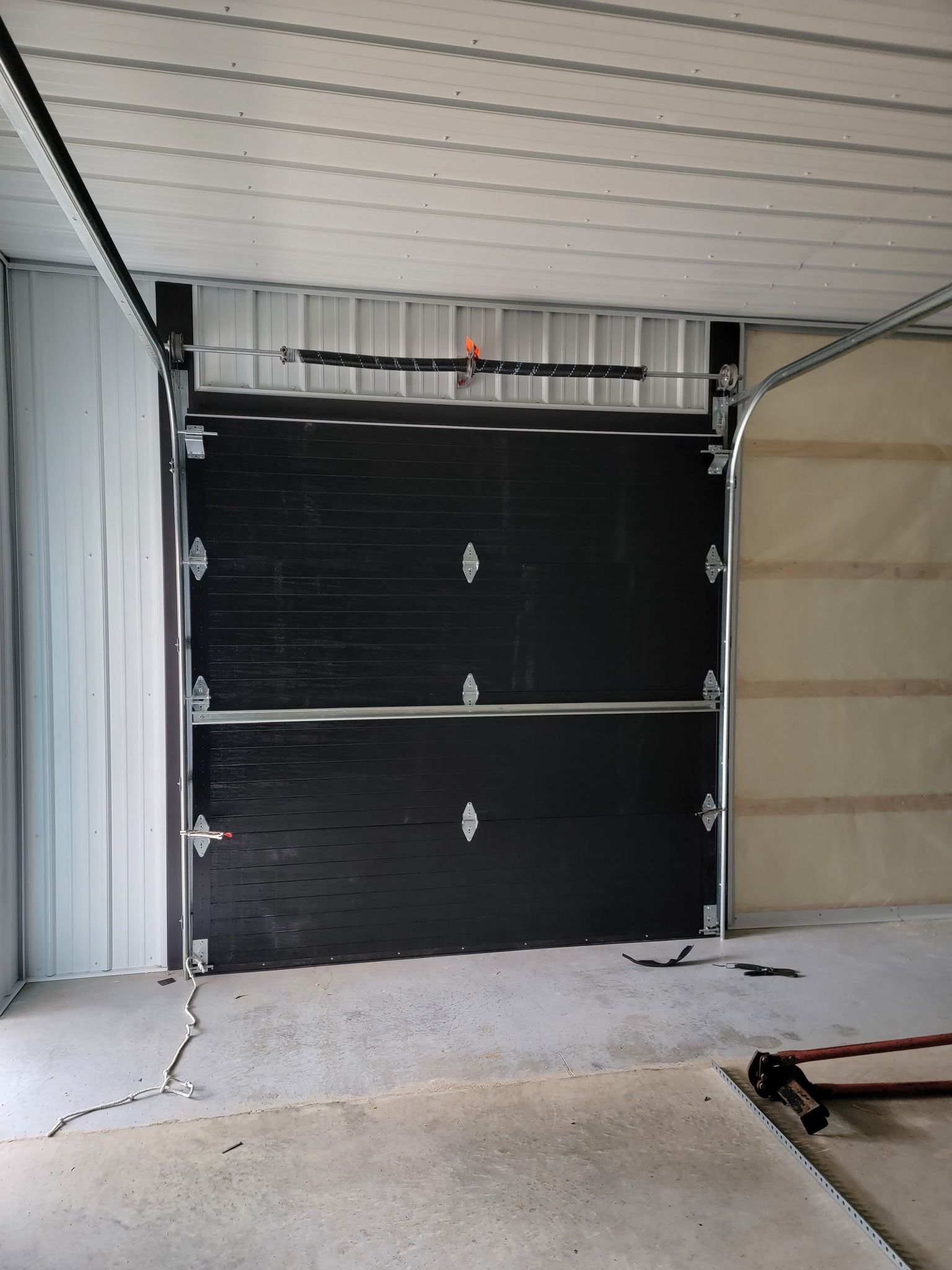
Technicians handle the high-tension components using winding bars and safety protocols designed to prevent injury during removal and installation, as torsion springs store enough energy to cause serious harm if released improperly. The replacement process involves measuring the door's weight and height to select springs with the correct wire size, inner diameter, and length, then winding the new springs to the tension required for proper counterbalance.
Schedule a spring replacement appointment to restore safe door operation and prevent the risks associated with attempting high-tension component work without proper tools.
How Spring Replacement Restores Safe Door Function
The repair begins with releasing any remaining tension in the broken spring, removing the old hardware, and installing new springs matched to the door's specifications. Torsion springs mount on a shaft above the door and require precise winding to achieve the correct number of turns for the door's height. Extension springs, which run along the horizontal tracks, require different hardware and safety cables to prevent the spring from becoming a projectile if it breaks. Proper tension adjustment means the door stays in place when stopped halfway and requires minimal effort to lift manually.
After spring replacement, the door opens smoothly without jerking or hesitation, remains balanced at any position along its travel path, and closes at a controlled speed rather than slamming shut. The opener operates without straining, and you can lift the door manually with normal effort if the opener fails or power is lost. The system returns to predictable, safe daily operation.
Spring replacement extends the lifespan of the entire garage door system by reducing stress on the opener motor, preventing premature wear on cables and rollers, and eliminating the safety hazards associated with broken or weakened springs. Local service availability means fast scheduling when a spring breaks, reducing the time your garage remains inaccessible or unsafe to operate.
Common Questions About This Service
Homeowners in Otsego often ask about spring lifespan, whether both springs should be replaced when one breaks, and how to recognize when springs are nearing the end of their functional life.
Why do garage door springs break suddenly?
Springs fail due to metal fatigue after thousands of cycles, with each opening and closing counting as one cycle. Most residential springs are rated for 10,000 to 20,000 cycles, which translates to roughly seven to ten years of typical use. Cold temperatures in Michigan accelerate wear by making the metal more brittle.
Should both springs be replaced even if only one is broken?
Yes, because springs installed at the same time experience the same number of cycles and similar wear patterns. If one spring has broken, the other is likely near failure, and replacing both prevents a second service call within weeks or months.
How do you know when springs are wearing out before they break?
Visible gaps between coils, rust or corrosion on the spring surface, and doors that become harder to lift manually or sag to one side all indicate springs losing tension. If the door doesn't stay in place when stopped halfway, the springs no longer provide proper counterbalance.
Can you replace springs on doors with different track configurations?
Spring replacement works with standard vertical lift, high lift, and low headroom track systems, though each configuration requires different spring mounting and tensioning approaches. Technicians adjust the installation method to match the door's specific track layout and clearance requirements.
What happens if springs are installed with incorrect tension?
Over-tensioned springs make the door difficult to close and can cause it to snap open unexpectedly. Under-tensioned springs force the opener to work harder, accelerating motor wear and creating the risk of the door slamming shut if the opener disengages. Correct tension is critical for both safety and system longevity.
D & D Garage Door LLC replaces garage door springs using proper safety procedures and tension calibration to restore reliable door operation. Call (269) 650-2603 to report a broken spring and arrange a same-day or next-day service appointment.